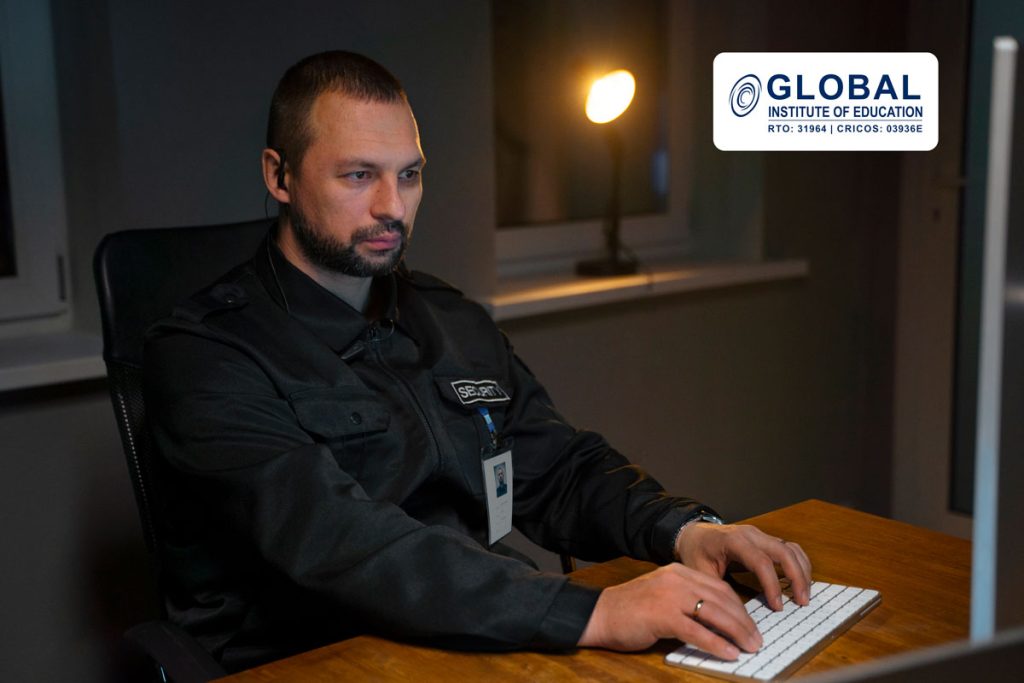
Security guards play a critical role in keeping Brisbane’s workplaces, public spaces, and communities safe. From shopping centres and offices to construction sites and events, trained security guards help prevent risks, manage incidents, and provide peace of mind.
For anyone looking to build a career in security, it is important to understand what the role involves and why proper training is essential. Completing a Certificate II in Security Operations is a great first step for aspiring security professionals in Brisbane. Certificate II in Security Operations is a nationally recognised qualification that provides the essential skills and legal knowledge required to work as a licensed security guard in Brisbane and across Australia. Below are the key responsibilities of a security guard in Brisbane, explained clearly and practically.
Maintaining Constant Surveillance
One of the main duties of a security guard is constant surveillance of the premises they are assigned to protect. This includes monitoring CCTV systems, observing people and surroundings, and staying alert to unusual or suspicious behaviour.
Effective surveillance helps prevent theft, vandalism, trespassing, and other security incidents. It also helps security guards identify potential risks early and take action before problems escalate. A strong security presence makes employees, customers, and visitors feel safer.
In Brisbane QLD, surveillance duties must be carried out responsibly and in line with privacy laws and workplace policies.
Managing Access Control and Site Entry
Access control is a key responsibility for security guards across many Australian workplaces. Guards are responsible for ensuring that only authorised people can enter certain areas. This may involve checking identification, signing in visitors, issuing passes, and monitoring entry and exit points.
Good access control is essential for protecting sensitive information, valuable equipment, and restricted areas. It also helps reduce the risk of security breaches and keeps the site organised and secure.
Security guards must follow site procedures and company policies while maintaining professionalism and clear communication at all times.
Responding to Emergencies and Critical Incidents
Security guards are often the first responders during emergencies. These situations may include fires, medical incidents, evacuations, aggressive behaviour, or security threats. Guards are trained to stay calm, follow emergency procedures, and act quickly.
In Queensland, security guards are expected to work in line with workplace emergency plans and coordinate with emergency services such as police, fire, and ambulance when required.
A fast and well-managed response can save lives, reduce damage, and keep situations under control. This is why emergency response training, included in a Certificate II in Security Operations, is a critical part of security education.
Conducting Regular Patrols
Regular patrols help maintain a safe and secure environment. Security guards patrol buildings, car parks, and outdoor areas to check for hazards, damaged property, unlocked doors, or suspicious activity.
Patrolling helps identify safety issues early and ensures site rules are being followed. A visible patrol presence also acts as a deterrent, reducing the likelihood of criminal activity.
In many Brisbane’s workplaces, patrol reports and incident logs are required as part of compliance and risk management processes.
Providing Customer and Public Assistance
Security guards are not only responsible for safety but also for assisting people on site. This may include giving directions, answering questions, helping with lost property, or supporting visitors who need assistance.
Good communication and customer service skills are essential in this role. A professional and approachable security guard helps create a positive environment while maintaining safety standards.
This balance between security and customer service is especially important in public spaces such as shopping centres, hospitals, and events. The Certificate II in Security Operations includes training in communication and public assistance to prepare students for real-world scenarios.
Australian Compliance and Industry Requirements
In Australia, security guards must meet strict legal and industry requirements. This includes completing recognised training and holding a valid security licence, as required by state or territory regulations.
Security training is aligned with nationally recognised units under the Certificate II or Certificate III in Security Operations, which cover areas such as:
- Legal responsibilities and powers
- Risk assessment
- Communication skills
- Emergency response
- Patrolling and monitoring procedures
Understanding legal boundaries and professional conduct is essential to working safely and lawfully in the Australian security industry.
Why Certificate II in Security Operations Is Essential for Security Guards
Proper training is the foundation of a successful security career. Without the right skills and knowledge, security guards may struggle to handle real-world situations confidently and safely.
Global Institute of Education delivers industry-relevant security training designed to prepare students for real Australian workplaces. Through practical, contextualised learning, students gain the skills needed to manage risks, communicate effectively, and respond to emergencies professionally. Completing a Certificate II in Security Operations ensures students are job-ready and meet all Australian industry standards.
Well-trained security guards are more confident, compliant, and job-ready. They help protect people, property, and businesses while meeting Australian industry standards and expectations.
Kickstart Your Security Career with Global Institute of Education!
Call us on 07 3879 4142 to speak with our friendly education consultants. They’ll guide you through enrolment for our practical, hands-on security training courses designed to help you launch your career.
Complete the course and you’ll be eligible to obtain your security licence in Brisbane, giving you the skills and credentials to step confidently into your dream security job!